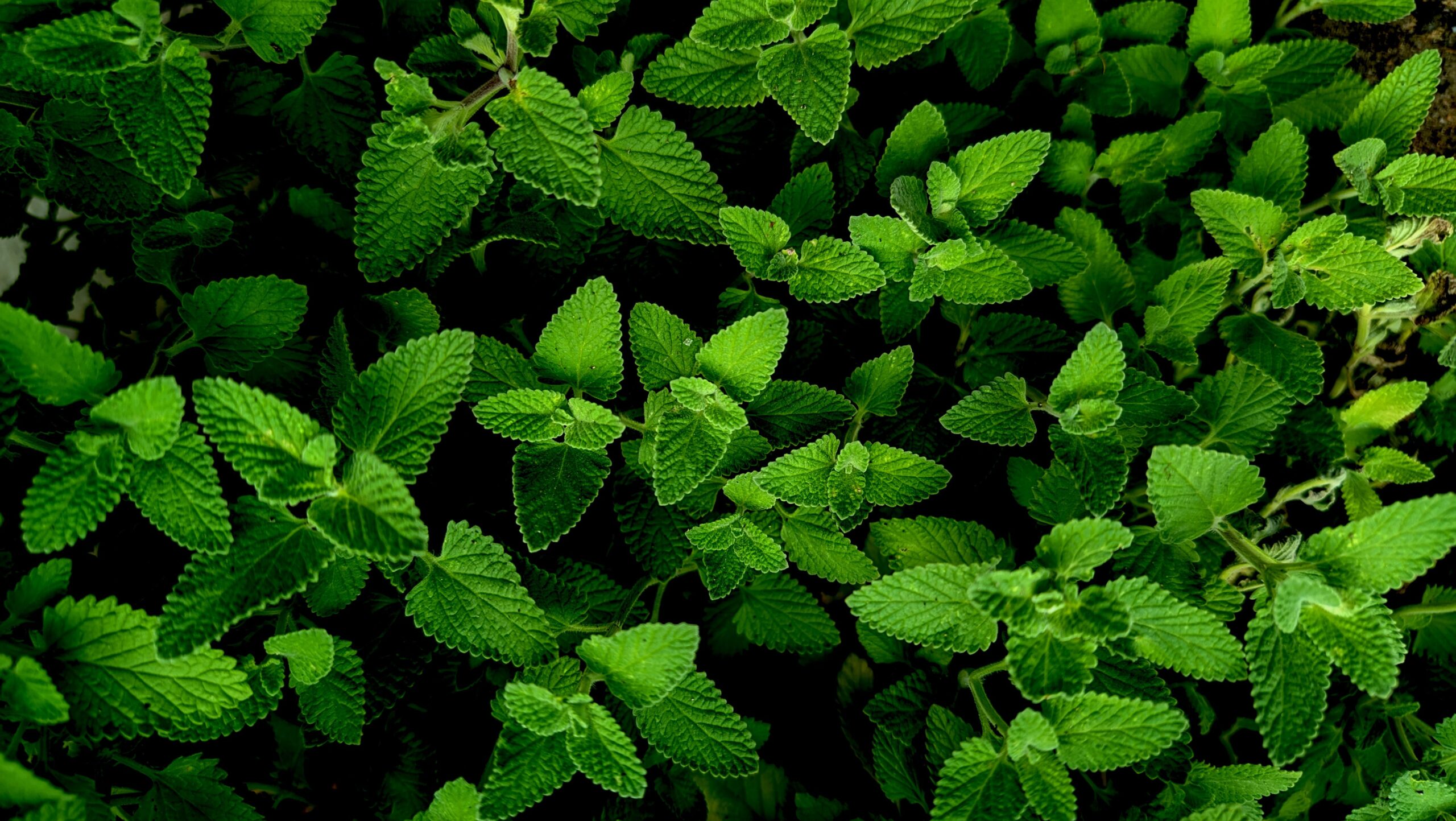
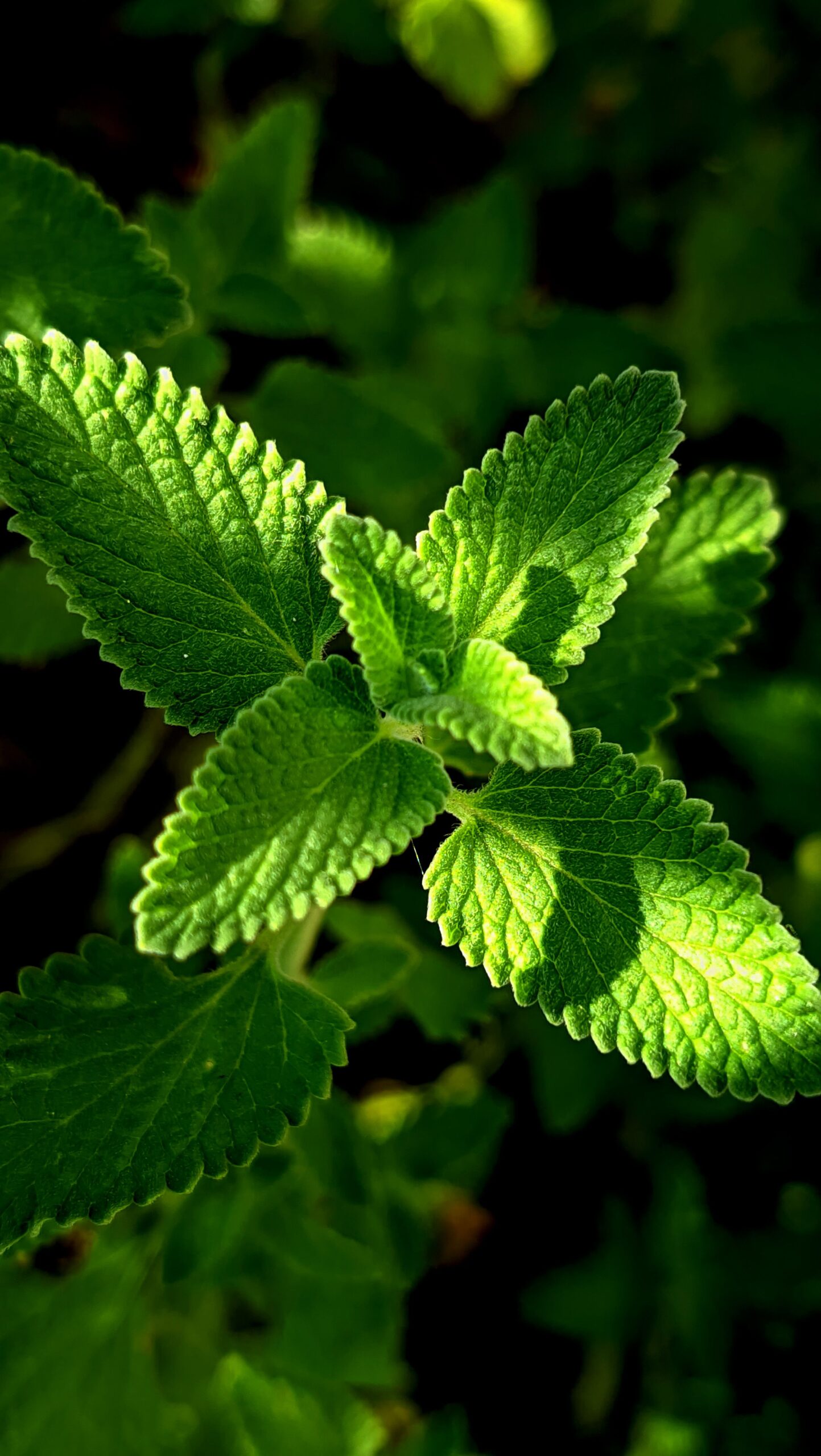
Lemon balm (Melissa officinalis) is one of the most therapeutic herbs for supporting the nervous system, especially during times of increased stress, anxiousness, tension, or difficulty winding down at night. I often recommend lemon balm to clients who feel overstimulated, have trouble relaxing or sleeping, or are looking for gentle herbal support for their nerves and overall well-being.
Lemon balm is a member of the mint family and has been used as a medicinal herb for centuries. Its leaves have a fresh lemon scent and contain naturally occurring plant compounds, including rosmarinic acid, flavonoids, and other polyphenols that contribute to its antioxidant, calming, and immune-supportive properties.
Nervous System & Nerve Health
One of the best-known traditional uses of lemon balm is for calming and supporting the nervous system. Lemon balm is considered a nervine—an herb traditionally used to nourish, calm, and soothe the nerves.
During prolonged periods of stress, the nervous system can remain in a heightened state of alert. Over time, we may notice changes in sleep, mood, digestion, concentration, energy, muscle tension, and our ability to fully relax.
Lemon balm can be a gentle addition to a broader nervous system-supportive lifestyle that includes nourishing foods, quality sleep, regular movement, time outdoors, meditation, deep breathing, and other stress-reducing practices.
Research has also explored lemon balm for stress, anxiety, mood, cognitive function, and sleep, with several human studies showing promising calming effects. Its antioxidant plant compounds may provide additional protection against oxidative stress, which is another reason lemon balm is of interest for supporting healthy nerve and brain function.
Antiviral & Immune Support
Another fascinating area of lemon balm is its antiviral activity. Laboratory research has found that compounds in lemon balm can demonstrate activity against certain viruses, particularly herpes simplex virus (HSV). Topical preparations containing lemon balm have also been studied in people with cold sores.
Lemon balm also contains numerous antioxidant and plant compounds that may help support the body’s natural immune defenses. Antioxidants help protect cells from oxidative stress and support the body’s normal response to environmental and physiological stressors.
For this reason, I think of lemon balm as more than simply a “relaxation herb.” Its traditional uses and emerging research make it an interesting herb for supporting the nervous system, immune health, and overall resilience.
It is important to remember, however, that laboratory antiviral activity does not mean lemon balm has been proven to treat viral infections throughout the body. I prefer to view it as one supportive herb within a much larger whole-body approach to immune health.
Stress, Anxiety & Sleep
Lemon balm can be especially helpful as part of an evening routine when the mind has difficulty slowing down. A warm cup of lemon balm tea can become a simple ritual that helps the body transition from a busy day into a more restful state.
It can also be used during the daytime when we are feeling stressed, tense, or emotionally overwhelmed. Supporting the nervous system throughout the day may make it easier to relax and sleep at night.
Quality sleep itself is an important part of immune and nervous system health. During sleep, the body carries out many of its normal restorative processes that influence immune regulation, hormone function, cognition, mood, and cellular repair.
Digestion & the Gut-Brain Connection
Lemon balm has traditionally been used to support digestion as well. The digestive and nervous systems are constantly communicating through the gut-brain connection, which is one reason stress can have such a noticeable effect on digestion.
Stress can influence appetite, intestinal motility, digestive comfort, and bowel habits. Lemon balm’s traditional use as both a calming and digestive herb makes it particularly interesting when digestive discomfort seems to increase during periods of stress.
Hormonal & Whole-Body Support
Lemon balm is also known by its botanical name, Melissa officinalis, and has a long history of use in traditional herbal medicine for women’s health and overall well-being.
Our nervous and endocrine systems are closely interconnected. Chronic stress and inadequate sleep can influence many of the signals involved in healthy hormone regulation. Supporting the nervous system, sleep, nutrition, and stress response can therefore be an important part of supporting overall hormonal health.
Rather than thinking of one herb as something that simply “balances hormones,” I prefer to look at the whole person and the many factors that influence hormonal health.
Easy Ways to Use Lemon Balm
One of the things I love most about lemon balm is how simple it is to incorporate into everyday life.
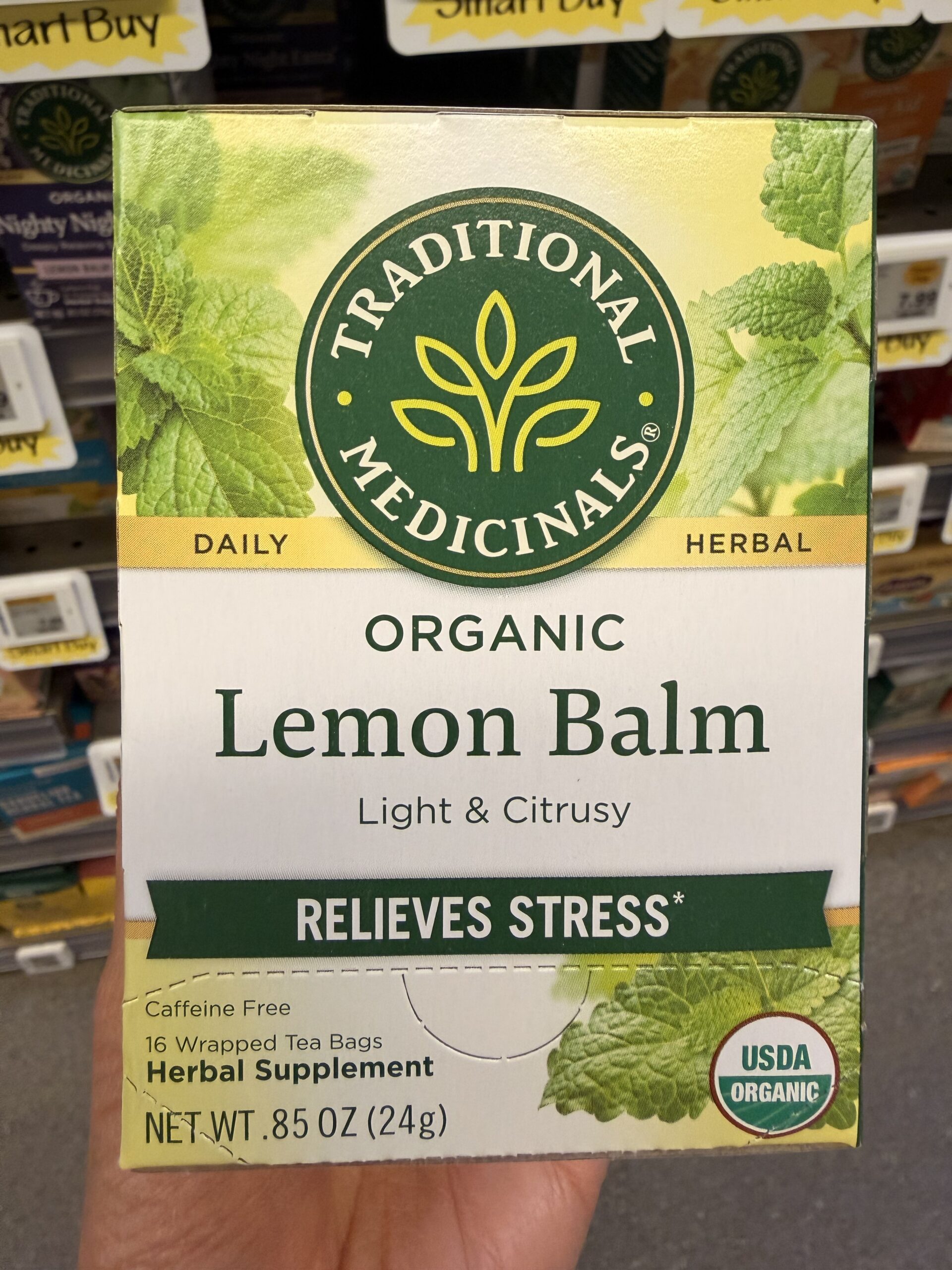
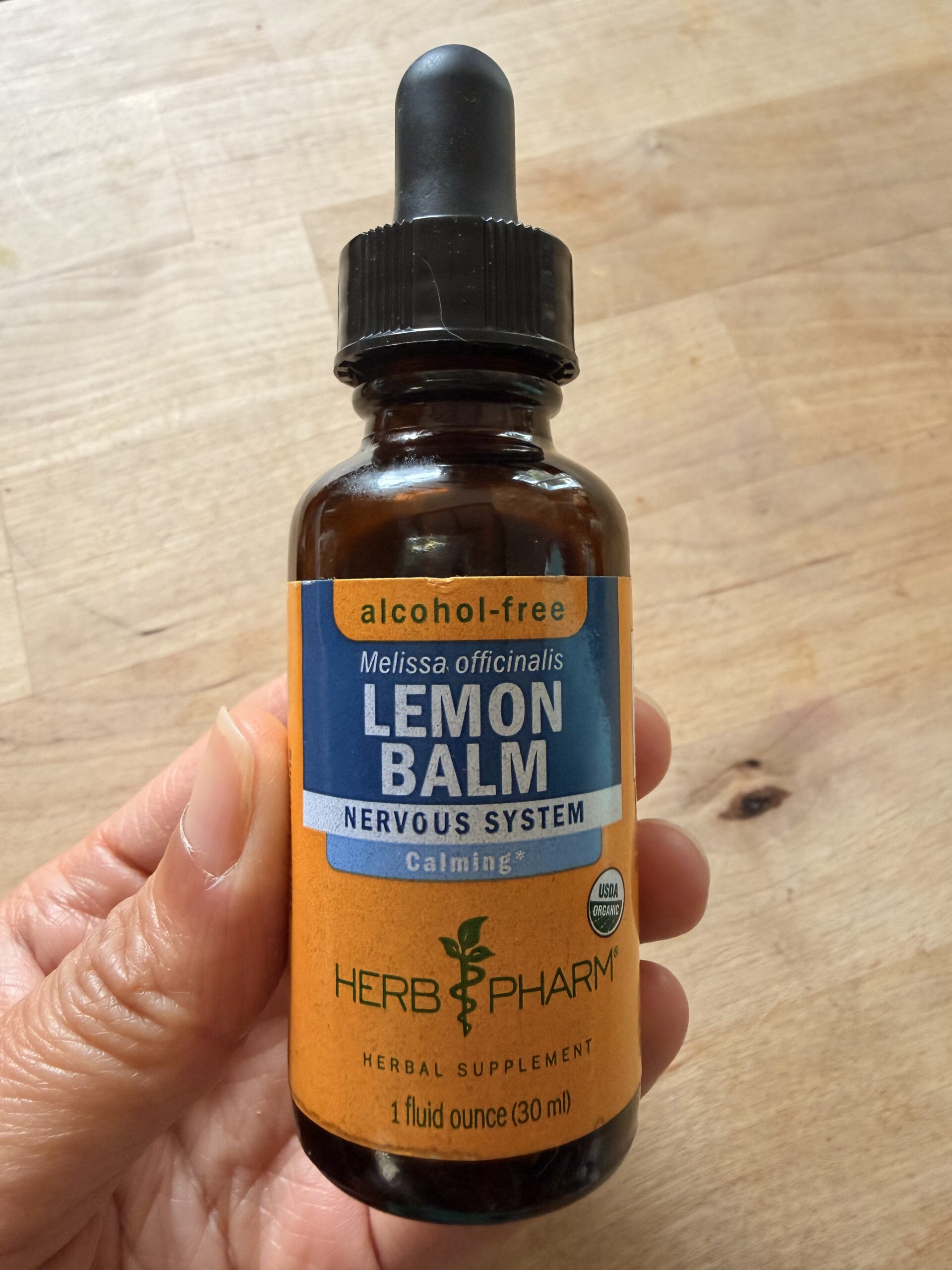
You can enjoy it as a warm or iced herbal tea or take it as a tincture. Some of my favorite options are Vimergy Lemon Balm tincture, Herb Pharm Alcohol-Free Lemon Balm, and Traditional Medicinals Lemon Balm tea. You can order these here on Fullscipt.com.
You can also grow your own! Lemon balm grows abundantly, is easy to care for, and can provide fresh leaves throughout the growing season.
To make fresh lemon balm tea, harvest and gently rinse the leaves, lightly crush or tear them, and steep them in hot water for about 5–10 minutes. Strain and enjoy on its own or with a little raw honey or fresh lemon.
A Simple Herb With Many Uses
Lemon balm is one of those beautiful herbs that reminds us that supporting our health doesn’t always have to be complicated. From calming and supporting the nervous system and healthy sleep to providing antioxidant, immune, digestive, and antiviral properties, lemon balm has many reasons to earn a place in the home herbal cabinet.
Whether I am enjoying fresh lemon balm from the garden, drinking a warm cup of tea, or using a tincture, I appreciate how easy it is to incorporate this herb into everyday life.
Sometimes the simplest daily practices—nourishing foods, herbs, movement, fresh air, rest, and taking time to calm the nervous system—can have a meaningful impact on how we feel.
As with any herb or supplement, individual needs can vary. If you are pregnant or breastfeeding, take medications, have a thyroid condition, or have other health concerns, consult with a qualified healthcare professional before regularly using concentrated herbal products.