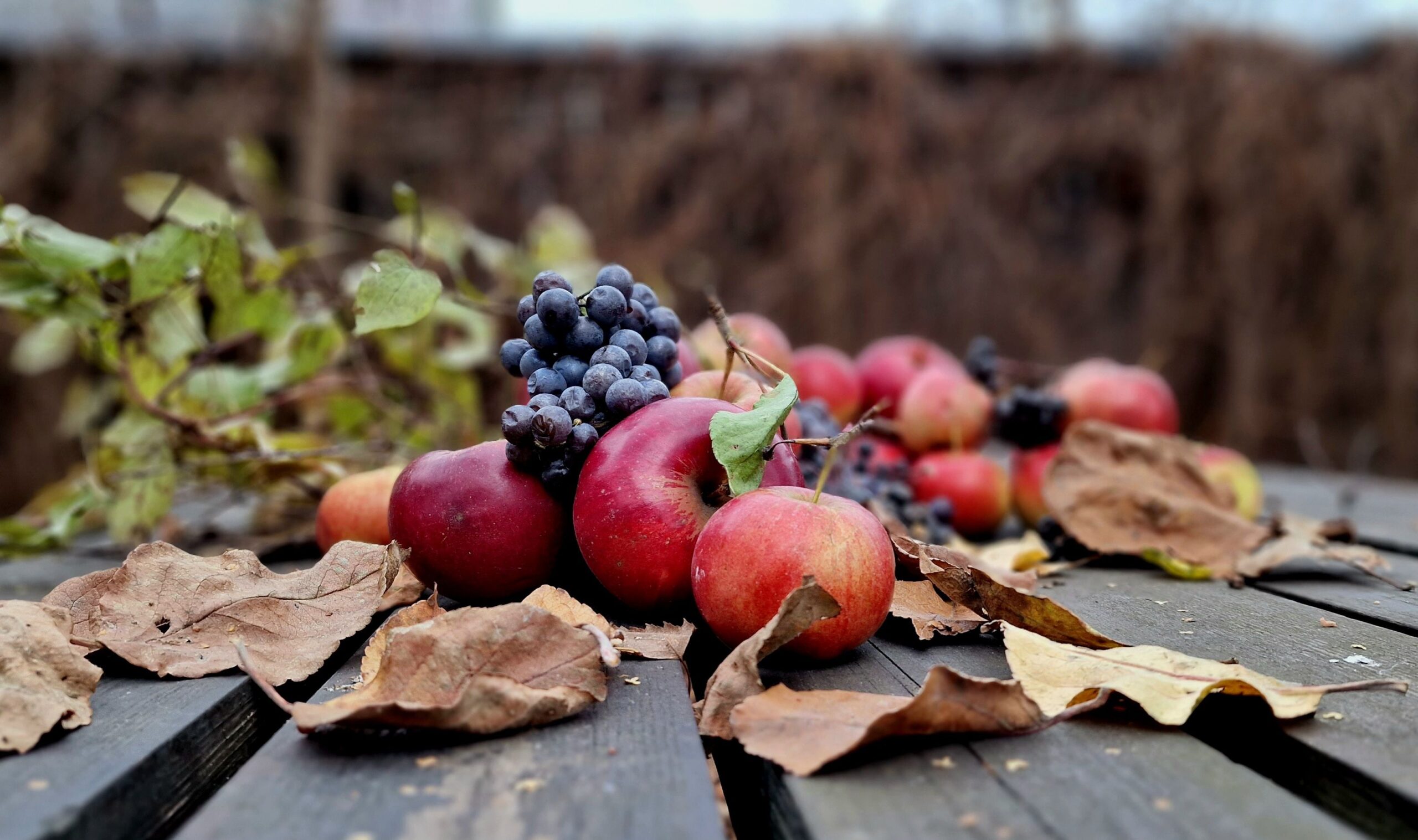
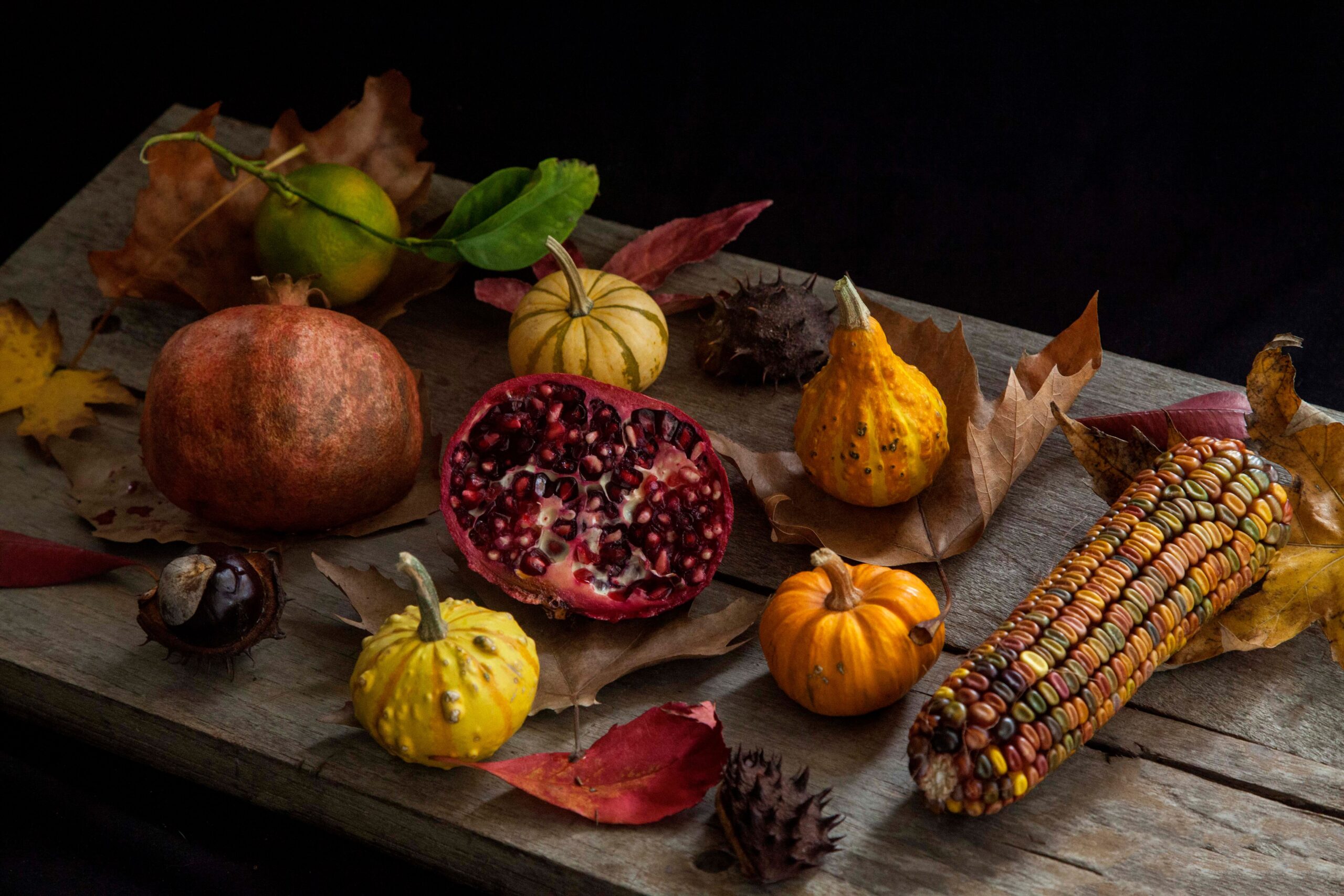
Fall has always been one of my favorite seasons. I love the cooler mornings, changing leaves, seasonal foods, and spending time outdoors with my family. There’s something about this time of year that reminds me to slow down and appreciate the simpler things in life. As the days grow shorter and temperatures cool, nature begins to transition into a quieter season. Our bodies respond to these seasonal changes, too, as changes in daylight can influence our sleep, energy, mood, and natural rhythms.
Yet, life doesn’t necessarily slow down with the seasons. Between work, family, responsibilities, and the demands of everyday life, many of us continue pushing ourselves without giving our bodies enough time to rest and recover. As a holistic wellness practitioner, I often see how chronic stress, inadequate sleep, poor nutrition, and demanding lifestyles can affect our physical and emotional well-being. These are often the very things we overlook when life gets busy.
Fall is a wonderful opportunity to reassess our routines, reconnect with our bodies, and make simple, intentional changes to support our health as we head into the colder months.
Embrace Your Body’s Natural Rhythm
Our bodies are closely connected to the natural environment. We operate on internal biological rhythms that help regulate sleep, hormone production, metabolism, and energy. As daylight hours shorten, our circadian rhythms can shift, influencing when we feel tired, alert, or ready for sleep. While we can’t always change our responsibilities, we can become more aware of how our bodies respond to seasonal changes and make adjustments that support our well-being.
Simple ways to support your natural rhythm:
- Get morning sunlight: Spend some time outdoors earlier in the day to help regulate your circadian rhythm and support healthy sleep patterns.
- Maintain consistent routines: Regular sleep, wake, and meal times help support your body’s internal clock.
- Take intentional breaks: Step away from your work, stretch, breathe, or take a short walk to give your mind and body a chance to reset.
- Listen to your energy levels: Recognize when your body needs rest rather than constantly pushing through fatigue.
Slowing down doesn’t mean becoming less productive. It’s about creating a healthier balance between activity and recovery.
Nourish Your Body With Seasonal Foods
One of my favorite things about fall is enjoying warm, comforting meals made with seasonal ingredients. I naturally find myself preparing more vegetable soups, hearty stews, roasted vegetables, warm oatmeal, and homemade baked goods with apples and fragrant spices. These foods are satisfying and provide valuable nutrients that support our health during the colder months.
Some of my favorite nourishing fall foods include:
- Apples and pears: Provide fiber and beneficial plant compounds that support digestive health.
- Pumpkin, winter squash, and sweet potatoes: Rich in beta-carotene, which the body converts into vitamin A to support immune function and healthy tissues.
- Carrots and leafy greens: Supply vitamins, minerals, and antioxidants that support overall health.
- Beans, lentils, and whole grains: Provide fiber and nutrients that support digestive and metabolic health.
- Warming spices: Cinnamon, ginger, turmeric, cloves, and cardamom add flavor and beneficial plant compounds to seasonal meals.
From a functional nutrition perspective, I encourage eating a variety of whole, minimally processed foods rather than focusing on individual superfoods. Our gut and immune systems are closely connected, and a diverse, fiber-rich diet can help nourish beneficial gut bacteria and support normal immune function. For those with digestive sensitivities, warm, cooked foods and adjusting fiber intake according to individual tolerance may be more comfortable.
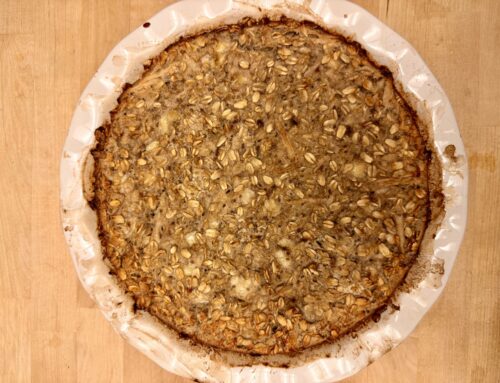
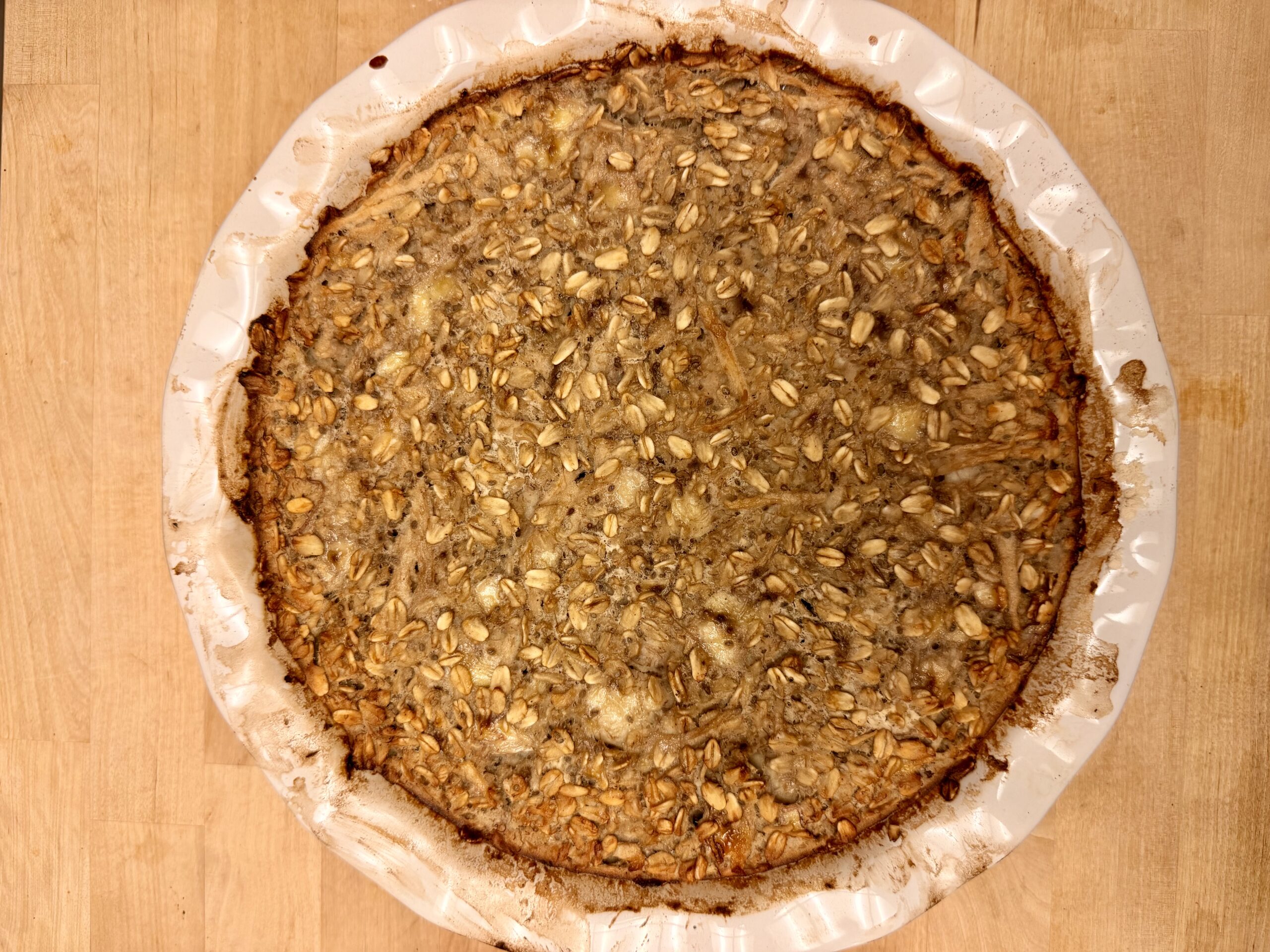
Fall is also a wonderful time to prepare meals ahead and spend a little more time in the kitchen. One of my recent favorites is a homemade Apple, Banana & Oat Breakfast Cake made with simple, wholesome ingredients. I’ll share the recipe at the end of this article!
Prioritize Sleep, Rest, and Recovery
Quality sleep is one of the most important foundations of good health. During sleep, our bodies carry out essential processes involved in immune regulation, tissue repair, hormonal balance, and memory. When we consistently don’t get enough restorative sleep, it can affect our mood, concentration, energy, and ability to manage everyday stress.
As evenings become longer, consider creating a more intentional nighttime routine.
Simple ways to support better sleep:
- Maintain consistent sleep and wake times, even on weekends.
- Get natural daylight exposure earlier in the day.
- Reduce screen time and bright lighting before bedtime.
- Create a relaxing evening routine with gentle stretching, reading, or meditation.
- Enjoy a caffeine-free herbal tea, such as chamomile or lemon balm, if appropriate for you.
- Keep your bedroom cool, dark, and quiet.
Rest is equally important during the day, especially when you’re managing a demanding schedule or recovering from illness. Sometimes taking a short break, adjusting expectations, or allowing yourself a quiet afternoon can make a meaningful difference. Rest isn’t simply doing nothing; it’s an essential part of how our bodies recover and maintain resilience.
Make Time for Yourself and Those You Love
Our emotional well-being and relationships are important parts of our overall health. Spending quality time with family, friends, and people who support us can help reduce feelings of isolation and bring a greater sense of connection and belonging. It doesn’t have to involve elaborate plans. Sharing a homemade meal, taking a walk outdoors, cooking together, or simply having an uninterrupted conversation can be just as meaningful.
At the same time, making space for ourselves is equally important. Many of us spend so much time caring for others and managing responsibilities that our own needs become an afterthought.
A few ways to create more meaningful connections and personal time:
- Plan simple activities with family or friends, such as a nature walk, shared meal, or relaxing afternoon together.
- Set aside time for yourself through prayer, meditation, journaling, or quiet reflection.
- Create moments of connection without phones, screens, or other distractions.
- Practice healthy boundaries and learn to say no when your schedule becomes overwhelming.
- Reach out to loved ones, especially when you’re going through a challenging time.
These small moments can help us feel more supported, connected, and emotionally balanced.
Support Your Nervous System Through Self-Care
Chronic stress affects much more than our emotional state. It can influence digestion, sleep, immune regulation, muscle tension, and overall well-being. In my Foot Zoning and holistic wellness practice, I frequently work with clients who have been navigating prolonged stress, fatigue, pain, and other health challenges. Many describe feeling physically tense, mentally overwhelmed, or unable to fully relax, even when they finally have time to rest.
While we can’t eliminate every source of stress, we can incorporate simple practices that help calm the nervous system and encourage relaxation.
Some of my favorite self-care practices include:
- Spending time in nature: Walking among trees, sitting in a garden, or simply stepping outside for fresh air can help reduce perceived stress and improve mood.
- Gentle movement: Yoga, qi gong, stretching, and walking can support circulation, mobility, and emotional well-being.
- Meditation and breathwork: These practices encourage relaxation and can help us manage our response to stress.
- EFT tapping: A mind-body technique that combines gentle tapping with focused attention and may help reduce stress and anxiety.
- Foot Zoning: A restorative practice I use with clients to encourage relaxation and body awareness. Many report feeling calmer and more balanced after their sessions, although research on its specific therapeutic effects remains limited.
- Warm baths and quiet evenings: Simple activities such as taking a warm bath, listening to soothing music, or enjoying an evening away from screens can help us unwind.
Self-care doesn’t need to be complicated or time-consuming. Choose what feels supportive for your body and what you can realistically incorporate into your daily life.
Support Your Immune System Naturally
As we move into fall and winter, respiratory illnesses such as colds and influenza become more common. This is a good time to pay closer attention to the everyday habits that support our immune health. Our immune system is a complex network of cells, tissues, and signaling molecules that continuously works to protect us from pathogens and maintain balance throughout the body.
Rather than focusing on constantly “boosting” immunity, I encourage supporting healthy immune function through adequate nutrition, restorative sleep, stress management, regular movement, and hydration. Certain nutrients and herbal remedies may also be helpful in specific situations, depending on individual needs.
Essential Nutrients for Immune Health
Vitamin C
Vitamin C supports immune cell function, collagen production, and antioxidant protection. Foods such as citrus fruits, kiwi, strawberries, bell peppers, and broccoli are excellent sources. Research suggests regular vitamin C supplementation may modestly shorten the duration of common colds, although it doesn’t consistently prevent them in the general population.
Vitamin D
Vitamin D plays an important role in immune regulation, bone health, and many other physiological processes. As daylight hours shorten and we spend more time indoors, some individuals may be at greater risk of inadequate vitamin D levels. Supplementation may be appropriate when dietary intake or vitamin D status is insufficient, ideally guided by individual needs and laboratory assessment when indicated.
Zinc
Zinc is essential for immune cell development, wound healing, and normal inflammatory responses. Good food sources include pumpkin seeds, legumes, nuts, seeds, and whole grains. Some research suggests that oral zinc lozenges may shorten the duration of a common cold when started early, although results vary depending on the formulation and dose. Excessive zinc supplementation can interfere with copper absorption and cause other adverse effects, so appropriate dosing is important.
Herbs and Natural Remedies for Cold and Flu Season
Herbal remedies have been used for generations to support health during seasonal illnesses. While some have promising research, others are supported primarily by traditional use. Understanding their potential benefits and limitations can help us make more informed choices.
Black Elderberry (Sambucus nigra)
Black elderberry has a long history of traditional use during cold and flu season. Its berries contain anthocyanins and other antioxidant compounds. Small clinical studies suggest that certain elderberry preparations may help reduce the duration or severity of respiratory symptoms, although larger, higher-quality studies are needed. Only properly prepared elderberry products should be used, as raw or unripe berries and other parts of the plant can be toxic.
Echinacea
Echinacea is commonly used at the first signs of a cold. Some studies suggest certain preparations may modestly reduce the likelihood of developing a cold, although findings on symptom duration and severity are inconsistent. Different species and formulations have been studied, so their effects may vary.
Goldenseal
Goldenseal has traditionally been used in herbal medicine for certain infections and mucous membrane concerns. It contains compounds such as berberine and hydrastine, which have demonstrated antimicrobial activity in laboratory research. However, there is insufficient clinical evidence that goldenseal effectively treats colds, flu, or other respiratory infections in humans. It can interact with medications and should be avoided during pregnancy and breastfeeding.
Garlic
Garlic is one of my favorite ingredients to incorporate into everyday cooking, especially during the colder months. It contains sulfur compounds, including allicin, that have been studied for potential antimicrobial and immune-related effects. While preliminary research has explored garlic for cold prevention, evidence is insufficient to establish it as an effective treatment once someone becomes sick. Adding fresh garlic to soups, stews, and other meals is a simple way to enjoy its flavor and nutritional benefits.
Herbal Teas for Fall Wellness
One of my favorite ways to incorporate herbs into my daily routine is through herbal teas. As the weather cools, there’s something comforting about a warm cup of tea, whether it’s to start the morning, support digestion after a meal, or unwind in the evening. Many herbs have a long history of traditional use and contain beneficial plant compounds that can complement a healthy lifestyle.
Some of my favorite herbal teas for the fall season include:
- Ginger Tea: Warming and soothing, ginger is especially helpful for occasional nausea and digestive discomfort.
- Turmeric Tea: Contains curcuminoids with antioxidant and anti-inflammatory properties. I love combining turmeric with ginger for a warming fall drink.
- Elderberry Tea: Traditionally enjoyed during cold and flu season. Although research on elderberry is still limited, certain preparations may help ease respiratory symptoms.
- Lemon Balm Tea: A gentle, calming herb traditionally used to ease mild stress and promote relaxation, making it a lovely evening tea.
- Peppermint Tea: Refreshing and soothing for occasional digestive discomfort, although it may aggravate acid reflux in some individuals.
- Echinacea Tea: Traditionally used during cold season, although clinical evidence for preventing or shortening colds is mixed.
Herbal teas are a simple way to slow down, stay hydrated, and incorporate beneficial herbs into your routine. Just remember that natural doesn’t always mean safe for everyone, especially during pregnancy or when taking medications.
Creating Your Own Fall Wellness Rituals
As we transition into a new season, it’s a good opportunity to reflect on our daily habits and consider where we might need a little more balance. Supporting our health doesn’t always require major changes. Often, it’s the small things we do consistently that have the greatest impact over time.
Perhaps this fall you focus on preparing more nourishing meals, improving your sleep routine, spending more time outdoors, or making space for activities that bring you joy. If you’re dealing with health challenges, your priorities may look different, and that’s okay. Resting when needed, asking for help, or making small adjustments to your routine are all meaningful ways to care for yourself.
As you move through this season, take a moment to check in with your body and consider what you need most. You don’t have to change everything at once or follow someone else’s idea of a perfect wellness routine. Start with what feels manageable and build from there.
Wishing you a healthy and balanced fall season, with time for nourishment, rest, meaningful connections, and the things that matter most.
With love and wellness,
Dana Tran