


Life moves fast these days. Between work, family, responsibilities, schedules, and everything we try to fit into our days, it’s easy to find ourselves feeling overwhelmed or stretched a little too thin. Over time, we may begin to feel the effects through our sleep, energy, mood, digestion, concentration, physical tension and pain, or simply feeling like we have a hard time slowing down and relaxing.
This is one of the reasons why understanding and supporting our nervous system is so important. When we’re constantly on the go without enough time to rest and recharge, our stress response can stay activated for longer than it should. The amygdala, the part of the brain involved in detecting potential threats and initiating our stress response, can become more reactive, keeping us in that familiar “fight or flight” mode. Over time, chronic stress can influence inflammation and affect us both physically and emotionally, from our sleep and digestion to energy, mood, mental clarity, and how well we handle everyday stress.
While healthy nutrition provides an important foundation, true wellness goes beyond food alone. Getting enough sleep, moving our bodies, managing stress, tending to our emotional health, and making time for rest and self-care are all part of taking care of ourselves as a whole.
The good news is that it doesn’t have to be complicated. Sometimes the simplest things, practiced consistently, can have the greatest impact. Here are some of my favorite practical ways to support and calm your nervous system every day.
- Sleep & Rest
Getting enough quality sleep is one of the best things we can do for our nervous system. Sleep gives the body and mind time to rest, repair, and reset. Most adults do best with around 7–9 hours each night, but our evening habits and the quality of that sleep matter too.
If sleep has been a struggle, start by creating a simple rhythm that helps your body know when it’s time to wind down:
- Keep a consistent sleep schedule. Try going to bed a little earlier and waking up around the same time each day. Aim for 7–9 hours of sleep.
- Give yourself time to wind down. About 30–60 minutes before bed, dim the lights, step away from work, and reduce phones, television, and other stimulation.
- Create a calming bedtime ritual. Read, stretch, meditate, practice EFT tapping, pray, take a warm bath or shower, or enjoy a cup of lemon balm or chamomile tea.
- Make your bedroom restful. Keep it cool, dark, quiet, and comfortable.
- Get outside in the morning. Natural morning light helps support your body’s natural sleep-wake rhythm.
You don’t need an elaborate nighttime routine. Choose a few things that help you slow down and make them part of your evening rhythm.
- Movement & Time Outdoors
Regular movement is one of the best ways to support the nervous system, release stress, improve mood, and clear the mind. And it doesn’t need to mean an intense workout or spending an hour at the gym.
Lately, after dropping my kids off at school, I head straight to a nearby trail for a 20–30 minute hike and then do another short workout at home. There are so many excellent home workout programs available. Some of my favorites are Classical Stretch/Essentrics, BODi, and Apple Fitness+. Starting my day this way has become something I really look forward to, and I notice the difference in my energy and mood.
A few simple ways to make movement part of your day:
- Aim for 20–30 minutes, 3–5 days a week. Walk, hike, strength train, stretch, practice yoga, dance, garden—whatever you enjoy and will actually continue doing.
- Go outside when you can. Combining movement with fresh air, nature, and natural light can be especially restorative.
- Break up long periods of sitting. Get up, stretch, walk around, or step outside periodically throughout your day.
- Listen to your body. On stressful or tiring days, gentle movement like walking and stretching may be exactly what you need. You don’t always have to push harder.
Even a 10-minute walk outside can give you an opportunity to step away, breathe, and reset. The key is finding movement you enjoy enough to make it a regular part of your life.
- Calm the Mind & Support Emotional Health
Just as our bodies need rest, our minds and emotions need attention too. We’re constantly taking in information, thinking about what needs to get done, caring for others, and moving from one thing to the next. Creating a little quiet space each day gives us an opportunity to slow down, process what we’re carrying, and reconnect with ourselves.
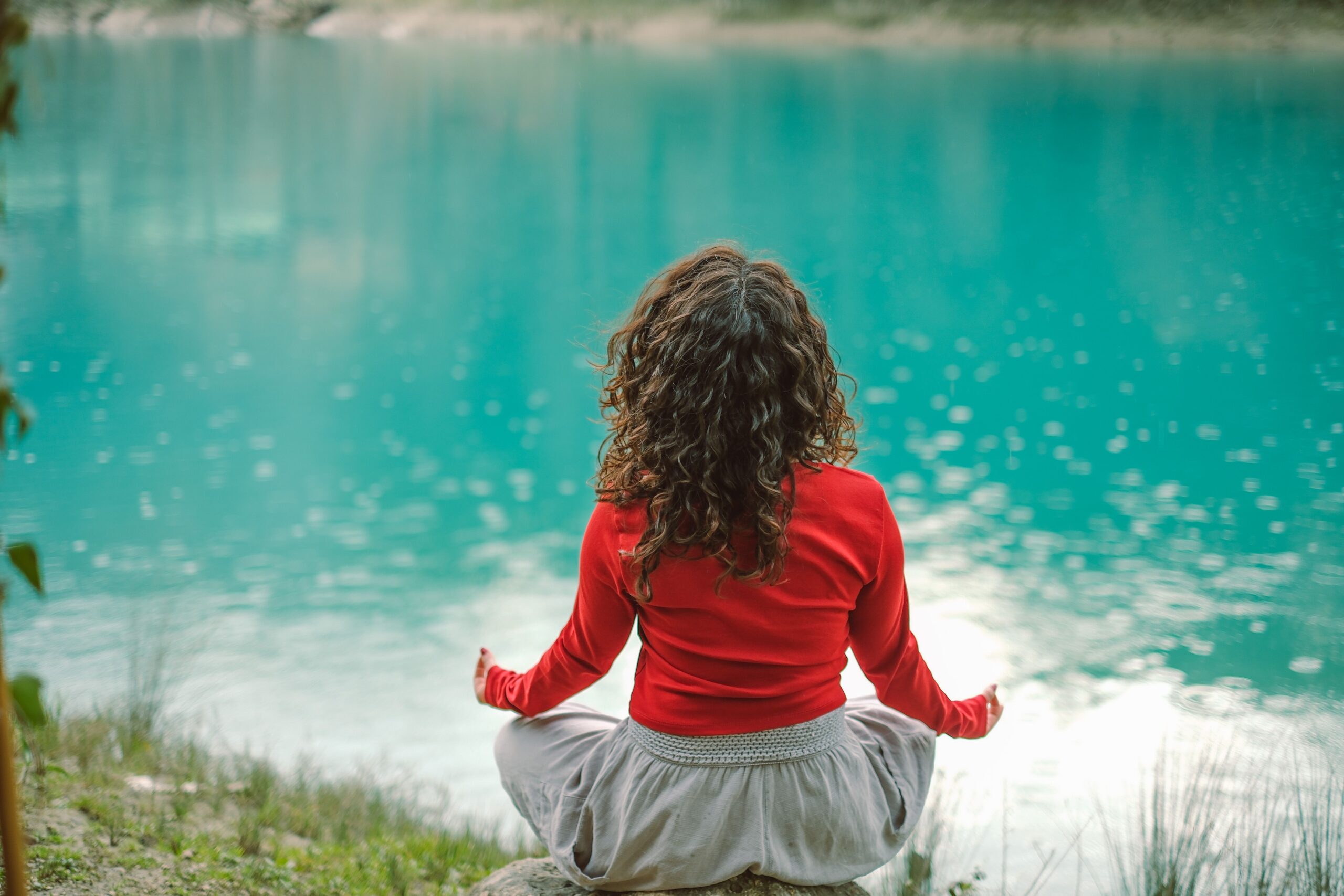
Meditation, mindfulness, and EFT tapping have been part of my own wellness routine for many years, and they are tools I regularly share with my clients.
You don’t have to spend an hour meditating. Start small:
- Take 5–10 minutes to meditate or sit quietly in the morning and again before bed. Guided meditations can be helpful if you’re new to the practice. Apps such as Calm and Insight Timer offer many different options.
- Try EFT tapping. I especially like tapping when stress, anxiety, overwhelm, or difficult emotions come up rather than allowing them to build. The Tapping Solution app is a helpful resource if you’re new to EFT or prefer guided tapping sessions.
- Use your breath. Take several slow, deep breaths or try box breathing: breathe in for a count of 4, hold for 4, breathe out for 4, hold for 4, and repeat for several rounds.
- Create moments without stimulation. Take a quiet walk, sit outside, pray, journal, or simply put your phone down and give yourself a few minutes without constant input.
Making it a priority to care for our mental and emotional well-being can be incredibly supportive. We take in so much throughout the day—not only our own responsibilities and emotions, but also the moods, pressures, and energy of the people and environments around us. Having a way to release some of what we’ve accumulated and reset each day can help us stay grounded, find greater clarity, and reconnect with ourselves.
- Nourish & Support Your Nervous System
Nutrition is another important part of supporting the nervous system. Focus on a variety of whole, nutrient-dense foods including fruits, vegetables, leafy greens, herbs, whole grains, legumes, nuts, and seeds.
Foods naturally rich in magnesium, B vitamins, antioxidants, and healthy fats can be especially supportive. Some easy foods to incorporate regularly include leafy greens, bananas, berries, avocado, quinoa, beans and lentils, nuts, chia, hemp, pumpkin seeds, and other whole plant foods.
Along with food, there are a few herbs and nutritional supplements that I often recommend for additional support:
- Magnesium Glycinate: Magnesium is important for healthy nerve and muscle function, relaxation, and sleep. Magnesium glycinate is one of my preferred forms because it is well absorbed and generally gentle on the digestive system. One of the brands I recommend is Pure Encapsulations Magnesium Glycinate.
- Lemon Balm (Melissa): This is one of my favorite herbs for calming and soothing the nervous system. It can be especially helpful during times of stress or when you have a difficult time winding down. I like Traditional Medicinals Organic Lemon Balm tea and Herb Pharm Lemon Balm tincture, including their alcohol-free option. Lemon balm is also incredibly easy to grow at home and can be used fresh to make tea.
- Ashwagandha: Ashwagandha is an adaptogenic herb traditionally used to help the body adapt to physical and emotional stress. I especially like it for supporting stress resilience and the adrenal stress response during more demanding periods of life. Some of the brands I like include Himalaya, Gaia Herbs, and Organic India.
- Sleep Nightly by Purium: For those who want a little more nighttime support, Sleep Nightly is another option I like for helping the body wind down and supporting restful sleep.
You can find all these supplements at Fullscript.com.
Supplements and herbs can be wonderful tools, but they work best alongside the basics: nourishing food, quality sleep, movement, and taking care of our mental and emotional health. They’re also not one-size-fits-all, so consider your individual needs, medications, and health history when choosing what is right for you.
Keep It Simple
Taking care of your nervous system doesn’t require changing everything at once. In fact, adding too many new things can become another source of stress. Start with one or two things that feel doable. Take a walk outside. Get to bed a little earlier. Spend five minutes meditating or tapping. Make yourself a cup of lemon balm tea. Put your phone away and take a few slow breaths. Small things add up. When we consistently give our bodies opportunities to move, rest, nourish, breathe, and reset, we create a stronger foundation for feeling calmer, more rested, and more balanced in our everyday lives.