The topic of good fats versus bad fats has become increasingly popular these days. Most of us have heard that we should eat more healthy fats, such as avocados, olive oil, nuts, seeds, and omega-3 supplements. But does that mean more is always better? And are we getting the right kinds of fats to support our health?
I’ve always believed in supporting the body’s natural ability to maintain balance and heal. Rather than focusing on consuming large amounts of any particular nutrient, I favor a varied, whole-food, plant-based approach that provides the nourishment our bodies need without unnecessary excess.
Fat is essential for brain function, hormone production, healthy cell membranes, and the absorption of fat-soluble vitamins (A, D, E, and K). However, the type, quality, and amount of fat we consume can influence our long-term health, particularly when it comes to cardiovascular health and inflammation.
Let’s explore the different types of dietary fats, the importance of omega-3 and omega-6 fatty acids, and how to find a healthy balance.
Not All Fats Are Created Equal
Dietary fats are generally divided into saturated and unsaturated fats, with unsaturated fats further classified as monounsaturated and polyunsaturated fats. Understanding these differences can help us make more informed choices about the foods we eat.
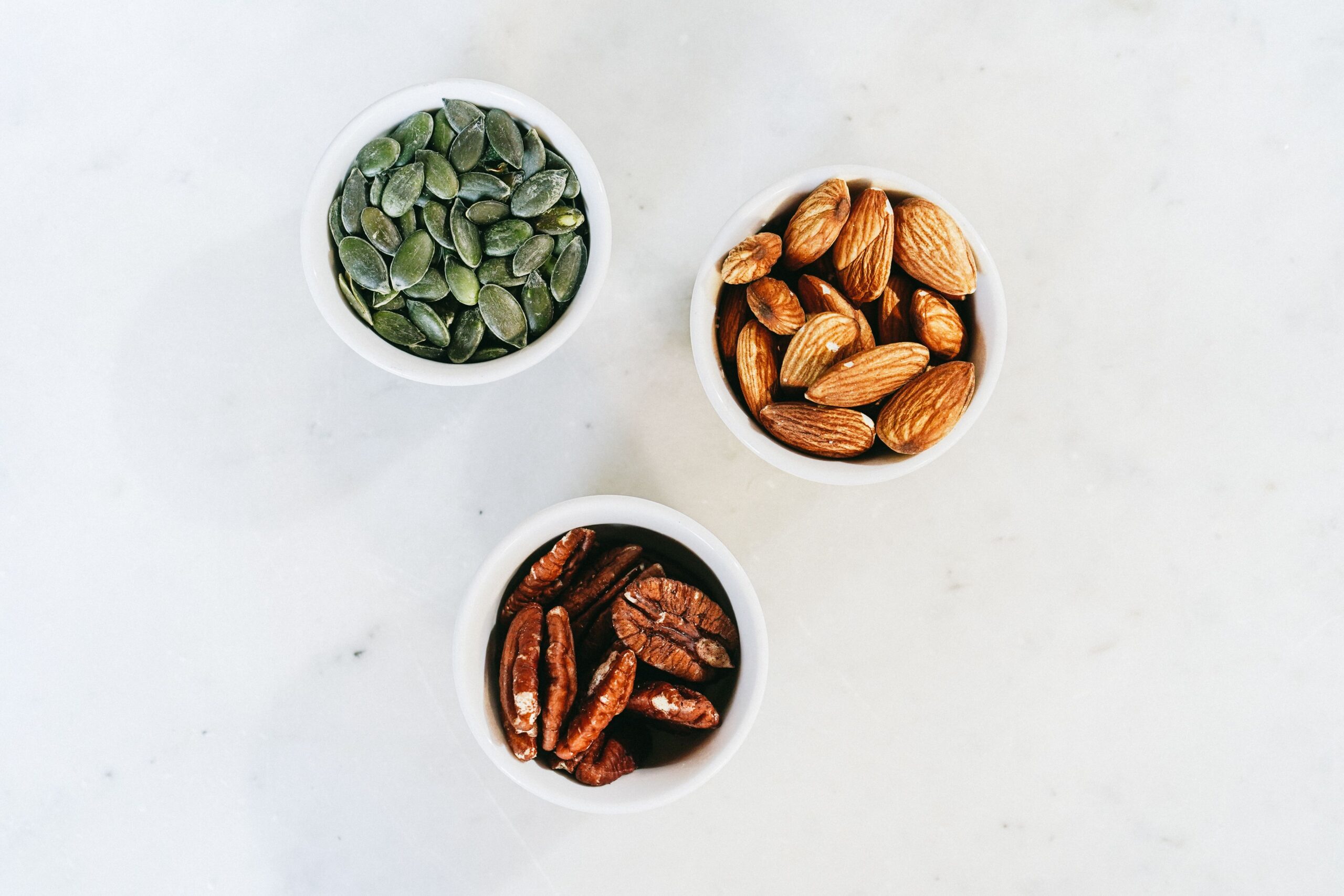
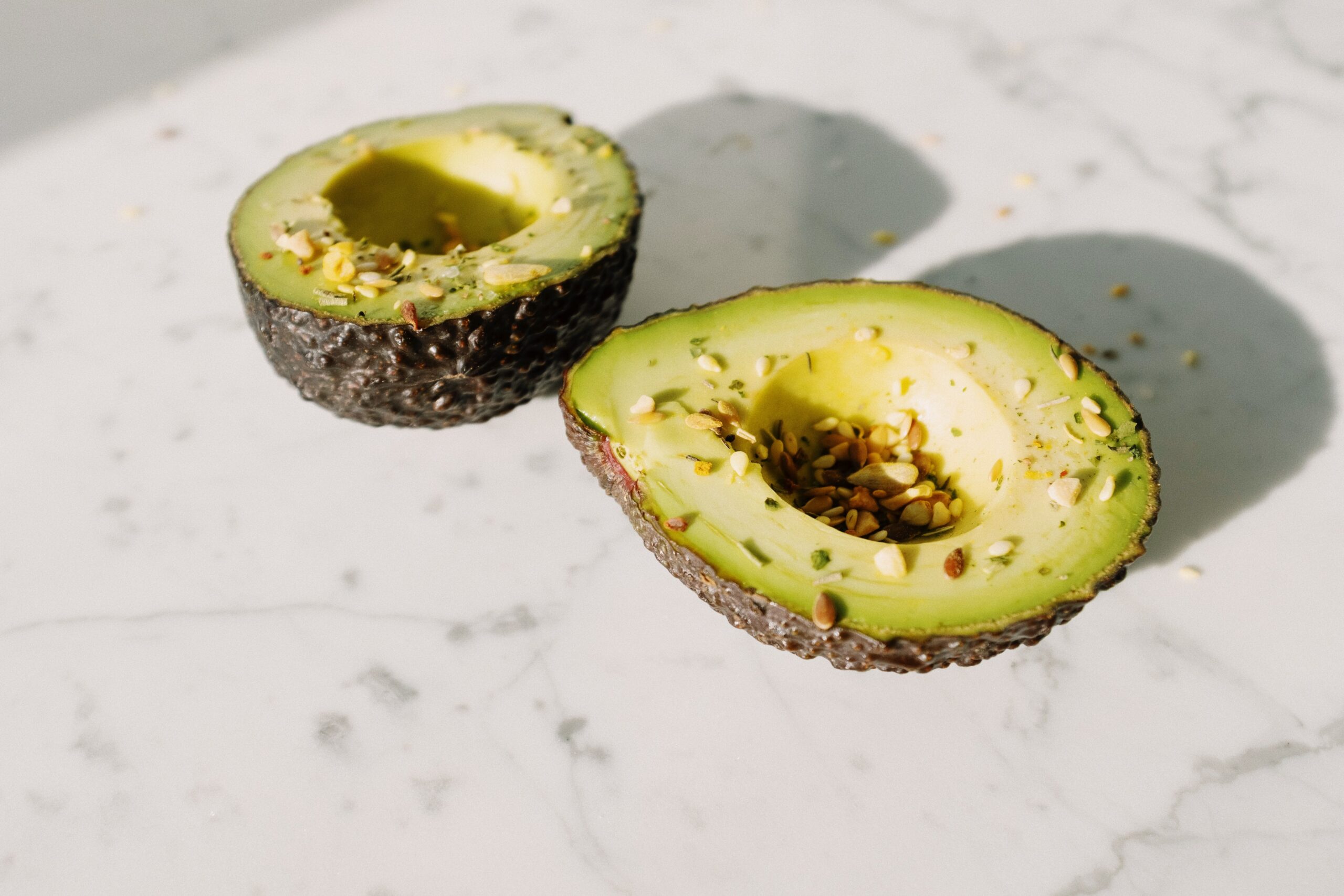
- Monounsaturated fats (MUFAs): Found in avocados, olives, extra virgin olive oil, almonds, and other nuts. These fats are generally beneficial for cardiovascular health, particularly when they replace saturated fats in the diet.
- Polyunsaturated fats (PUFAs): Include omega-3 and omega-6 fatty acids, both of which are essential for our health. They play important roles in maintaining healthy cell membranes, supporting brain function, and regulating immune and inflammatory responses.
- Saturated fats: Found primarily in animal products such as butter, cheese, and fatty meats, as well as coconut and palm oils. While saturated fats occur naturally in many foods, excessive intake can raise LDL cholesterol and increase cardiovascular risk.
- Trans fats: Particularly industrially produced trans fats from partially hydrogenated oils, are the fats we want to avoid. They can raise LDL cholesterol, lower HDL cholesterol, and increase the risk of cardiovascular disease.
In general, replacing saturated and trans fats with healthier unsaturated fats is beneficial. However, this doesn’t mean we need to consume large amounts of fat. I personally prefer obtaining most of my fats from whole-food sources, such as avocados, nuts, and seeds, rather than relying heavily on added oils.
Omega-3 and Omega-6: Understanding the Balance
You’ve probably heard a lot about omega-3s and omega-6s, but what exactly is the difference, and why does the balance between them matter?
Both are essential fatty acids, meaning our bodies need them but cannot make them on their own. We must get them through the foods we eat. While both play important roles in our health, they affect the body in different ways, especially when it comes to inflammation.
Omega-3 fatty acids are particularly important for heart health, brain function, and helping the body manage inflammation. There are three main types:
- ALA (alpha-linolenic acid): A plant-based omega-3 found in ground flaxseeds, chia seeds, hemp seeds, and walnuts.
- EPA (eicosapentaenoic acid): Found mainly in fatty fish such as salmon, sardines, and mackerel, as well as algae-based supplements. EPA helps regulate the body’s inflammatory response.
- DHA (docosahexaenoic acid): Also found in fatty fish and marine algae. DHA is especially important for brain, eye, and nervous system health.
Although our bodies can convert some plant-based ALA into EPA and DHA, this process is fairly limited. That’s why it’s important to pay attention to our omega-3 intake, particularly if we follow a plant-based diet.
Omega-6 fatty acids are also essential. They support healthy skin, cell function, growth, and our immune system. They’re naturally found in nuts and seeds, but they’re also abundant in oils such as soybean, corn, and sunflower oil, which are commonly used in packaged foods, fried foods, and restaurant meals.
Here’s where things get interesting. Certain omega-6 fats can be used by the body to produce compounds involved in inflammation, while omega-3s, particularly EPA and DHA, help regulate inflammation and support its resolution. Inflammation itself isn’t necessarily bad. We need it to fight infections and heal injuries. The concern is when inflammatory processes remain active longer than necessary.
This doesn’t mean omega-6 fats are bad or that eating them automatically causes inflammation. In fact, studies haven’t consistently shown that higher omega-6 intake increases inflammation. However, when our diets contain plenty of omega-6 but very little omega-3, we may be missing out on the benefits of a healthier balance.
What About the Omega-6 to Omega-3 Ratio?
Here’s something that may surprise you. The typical Western diet is often estimated to have an omega-6-to-omega-3 ratio of approximately 10:1 to 20:1, with 15:1 frequently cited. In other words, we may be consuming 10 to 20 times more omega-6 than omega-3.
Some researchers believe our ancestors consumed these fats in a much closer balance, possibly around 1:1 or 2:1. You may also have heard recommendations to aim for a ratio of 4:1 or lower.
While these numbers give us something to think about, there isn’t one scientifically established ideal ratio for everyone. What matters just as much is whether we’re getting enough omega-3s in the first place. A lower ratio doesn’t automatically mean we’re getting adequate amounts of these important fats.
Rather than getting caught up in the numbers, I encourage focusing on a few simple changes: including more omega-3-rich foods such as ground flaxseeds, chia seeds, hemp seeds, and walnuts, being mindful of excessive added oils, and reducing our reliance on heavily processed foods.
The goal isn’t to eliminate omega-6 fats. It’s to make sure we’re getting enough omega-3s while choosing a healthier overall balance of fats to support our body’s natural functions and long-term health.
How Do Dietary Fats Influence Inflammation?
Inflammation is a natural and necessary part of the body’s healing process. When we experience an injury or infection, our immune system activates an inflammatory response to protect and repair our tissues. However, when inflammation becomes chronic, it can contribute to conditions such as cardiovascular disease, insulin resistance, type 2 diabetes, and other chronic illnesses.
The fats we consume influence the composition of our cell membranes and the production of signaling molecules that help regulate inflammation. Omega-3 fatty acids, particularly EPA and DHA, are involved in producing compounds that help regulate and resolve inflammatory responses. This is one reason adequate omega-3 intake is important for long-term health.
Another related process is oxidative stress, which occurs when the production of free radicals exceeds the body’s ability to neutralize them. Free radicals are naturally produced during normal metabolism, but excessive amounts can damage cells and tissues. Oxidative stress and chronic inflammation can reinforce one another, potentially contributing to the development and progression of chronic diseases.
Of course, inflammation isn’t caused by dietary fats alone. Diets high in heavily processed foods, excessive saturated fats, and refined carbohydrates, along with chronic stress, poor sleep, and physical inactivity, can all influence inflammatory processes. Our bodies function as interconnected systems, and nutrition is one important part of supporting overall health.
Choosing Healthy Fats Without Overdoing It
One thing I often emphasize is that healthy fats are important, but more isn’t necessarily better. Just because a food contains beneficial fats doesn’t mean we need to consume large amounts of it. Our bodies require essential fatty acids, but the amount of total fat we need varies depending on our health, digestion, activity level, and overall nutritional needs.
I personally favor a moderate-fat, whole-food, plant-based approach that emphasizes fruits, vegetables, leafy greens, legumes, and whole grains, along with reasonable portions of healthy fats. I don’t believe we need to follow high-fat dietary trends to experience the benefits of nutritious foods.
Here are some practical ways to make healthier fat choices:
- Include omega-3-rich foods regularly. Ground flaxseeds, chia seeds, hemp seeds, and walnuts are wonderful plant-based sources of ALA omega-3s. Try adding a tablespoon of ground flaxseeds or chia seeds to oatmeal, smoothies, or salads. For those who consume fish, salmon, sardines, and mackerel provide EPA and DHA.
- Choose whole-food sources of unsaturated fats. Avocados, olives, almonds, walnuts, and other nuts and seeds provide beneficial fats along with fiber, vitamins, minerals, and other nutrients. Extra virgin olive oil can also be a healthy choice in moderate amounts, although it isn’t a significant source of omega-3s.
- Be mindful of added oils and heavily processed foods. Even healthier oils are concentrated sources of fat, so I prefer using them thoughtfully rather than adding large amounts to meals. Limiting frequent consumption of fried foods and highly processed snacks can also help improve overall dietary quality.
- Limit saturated fats and avoid industrial trans fats. Reduce frequent consumption of butter, fatty meats, high-fat dairy products, and foods made with partially hydrogenated oils. When possible, replace saturated fats with unsaturated fats from nutritious whole foods.
- Consider your EPA and DHA intake. If you don’t regularly consume foods that provide these omega-3s, a high-quality fish oil or algae-based supplement may be worth considering. Look for products that disclose their EPA and DHA content and undergo independent testing for purity and oxidation. Supplements should complement a nutritious diet rather than replace it, and the appropriate amount should be based on individual needs. Those taking medications or managing health conditions should consult their healthcare provider before starting supplementation.
Ultimately, the goal isn’t to eliminate all omega-6 fats, avoid every source of saturated fat, or consume as much omega-3 as possible. It’s about providing the essential fats our bodies need while avoiding unnecessary excess.
Giving Our Digestive System a Break
Another time I believe it’s especially important to be mindful of fat intake is during periods of cleansing and detoxification, when we’re intentionally nourishing the body with lighter, whole foods.
Our liver, pancreas, and gallbladder work together to help us digest and process the foods we eat. The liver produces bile, the gallbladder stores and releases it, and the pancreas produces enzymes that help break down fats. When we regularly consume heavy, high-fat meals, these organs have greater digestive demands. Giving our digestive system a break from excessive fats can be especially helpful for those who struggle with digestion or feel weighed down after rich meals.
This is one of the reasons I’ve always appreciated juice cleanses, raw-food cleanses, and whole-food cleansing programs as part of a holistic wellness approach. Fresh vegetable juices, fruits, leafy greens, colorful vegetables, and simple plant-based meals provide hydration, vitamins, minerals, antioxidants, and other nutrients that nourish the body while allowing us to step away from heavy meals and processed foods.
There is tremendous value in periodically simplifying what we eat and allowing our bodies to focus on nourishment rather than constantly overloading our digestive systems. Our liver and kidneys already have important roles in processing and eliminating waste, and I see these periods of cleansing as an opportunity to support our body’s natural processes through thoughtful food choices, adequate hydration, and rest.
Of course, everyone’s body and nutritional needs are different. I recommend working with an appropriately licensed healthcare practitioner when undertaking a structured cleansing program, especially for those with existing health conditions or taking medications.
Cleansing is about giving our bodies a break from unnecessary excess, flooding them with nourishing plant foods, and creating an environment that supports digestion, renewal, and overall well-being.
Nourishing the Body with Balance
With so many dietary trends encouraging us to consume more of a particular nutrient, it’s important to remember that good nutrition isn’t about extremes.
Our bodies are remarkably capable of maintaining balance through many complex processes, and we can support these functions by nourishing ourselves with a variety of whole, nutrient-rich foods. Rather than becoming overly focused on individual macronutrients, I encourage looking at the overall quality of our diet and how our bodies respond to the foods we eat.
Choosing healthy fats in appropriate amounts, getting adequate omega-3s, and reducing our reliance on heavily processed foods are meaningful steps toward supporting cardiovascular, metabolic, and overall health. And while nutrition plays an important role, our bodies also benefit from regular movement, restorative sleep, and managing everyday stress.
Cheers to your health!
Love,
Dana