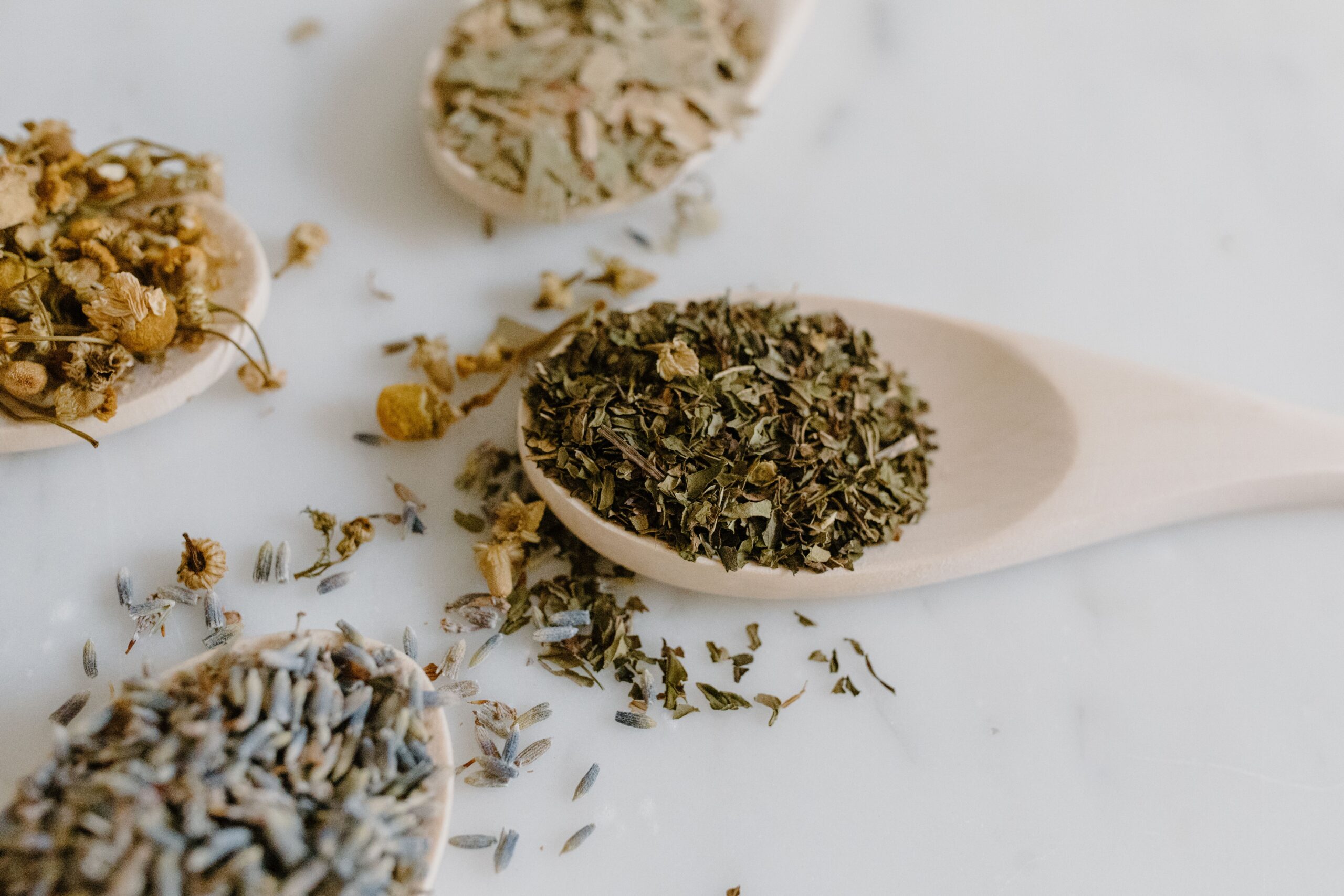
Food is medicine, and herbs are super medicine. 🌿
Sometimes I wish I lived off the grid with a huge garden full of medicinal herbs growing right outside my door. That would be the dream, wouldn’t it?
But even living in suburbia, we can still build a beautiful relationship with plants. One of the simplest ways is through herbal teas and a small collection of medicinal herbs that we can reach for throughout the seasons.
Herbs have been used as medicine for thousands of years across cultures around the world. Long before we had a supplement for every symptom, people learned which roots, leaves, flowers, berries, and seeds could nourish the body, settle digestion, calm the nerves, support immune defenses, encourage healthy elimination, or simply help the body return to greater balance.
This is one of the things I appreciate most about herbal medicine. We aren’t necessarily reaching for an herb to “fix” one isolated symptom. Many herbs have an affinity for several body systems at once. Lemon balm, for example, can soothe both the nervous system and digestion. Nettle provides minerals while traditionally supporting the kidneys and urinary system. Hawthorn has been treasured for generations as a tonic for the heart.
You also don’t need an enormous herbal apothecary to begin. A thoughtful collection of herbs can give you many options for supporting yourself and your family throughout the year.
Here are 15 herbs worth getting to know!
Immune + Seasonal Support
1. Echinacea (Echinacea spp.)
Parts commonly used: Root and aerial parts
Common preparations: Tea, tincture, extract
Echinacea is one of the classic herbs to have around during cold and flu season. Native to North America, it has a long history of traditional use and is best known for supporting the body’s natural immune defenses.
This isn’t necessarily an herb to think of as an everyday tea. Echinacea is more often reached for when immune support is needed—at the first hint of a scratchy throat, after being around someone who is sick, while traveling, or when you have that familiar feeling that your body may be fighting something.
Echinacea has an earthy flavor and can be found on its own or combined with other seasonal herbs in immune-support teas and formulas.
2. Elderberry (Sambucus nigra)
Part commonly used: Berry
Common preparations: Tea, syrup, decoction, extract
The deep purple-black color of elderberries gives us a clue that these little berries are packed with beneficial plant compounds. Elderberries naturally contain anthocyanins and other antioxidant compounds and have a long history of traditional use for immune and respiratory support.
Elderberry is especially popular during the fall and winter months and can be enjoyed as tea, but you’ll also find it prepared as syrups, decoctions, and extracts.
One important distinction: elderberries should be properly prepared rather than eaten raw in quantity. Cooking the berries is the traditional way they are prepared for use.
Digestion + Inflammatory Support
3. Peppermint (Mentha × piperita)
Part used: Leaves
Common preparations: Tea, infusion, tincture
Peppermint may seem simple because most of us have encountered it since childhood, but it is a wonderful medicinal herb.
Its aromatic oils have a natural affinity for the digestive tract. Peppermint has traditionally been used when digestion feels sluggish or uncomfortable and can be especially soothing for occasional gas, bloating, fullness, and digestive discomfort.
A cup of peppermint tea after a meal is one of the easiest ways to use it. It also blends beautifully with other digestive herbs such as fennel and ginger.
This is a great example of why a natural medicine cabinet doesn’t have to be complicated.
4. Fennel (Foeniculum vulgare)
Part used: Seeds
Common preparations: Tea, infusion, culinary use
If you’ve ever eaten at an Indian restaurant and seen fennel seeds offered after a meal, there’s a reason for that tradition.
Fennel has long been used as a digestive herb, particularly for occasional bloating, gas, cramping, and digestive discomfort. The seeds contain aromatic compounds that give fennel its distinctive sweet, slightly licorice-like flavor.
Lightly crushing the seeds before steeping helps release more of their aromatic oils. Fennel can be enjoyed alone or paired with peppermint or ginger for a simple after-meal digestive tea.
5. Turmeric + Ginger (Curcuma longa + Zingiber officinale)
Parts used: Rhizomes
Common preparations: Tea, decoction, culinary use, extracts
These two roots are wonderful examples of food and medicine overlapping.
Ginger is warming, aromatic, and traditionally used to stimulate and settle digestion. It can be especially helpful for occasional nausea, gas, bloating, and digestive discomfort.
Turmeric has been treasured in Ayurvedic medicine and traditional cooking for generations. Its bright golden pigment comes largely from curcuminoids, including curcumin, and it is widely used to support a healthy inflammatory response.
Together, ginger and turmeric make a warming tea that is especially nice during cooler months. Freshly sliced ginger and turmeric can be gently simmered rather than simply steeped, which helps draw more from these dense roots.
Liver + Kidney + Natural Detoxification Support
Our bodies already have beautifully designed systems for processing and eliminating what we don’t need. The liver, kidneys, digestive tract, lymphatic system, lungs, and skin are working for us every day.
Rather than thinking that an herb needs to suddenly “detox” the body, I prefer to think about how we can nourish and support the organs and pathways already doing this work.
6. Dandelion Root (Taraxacum officinale)
Part used: Root
Common preparations: Tea, decoction, tincture, roasted root
That little yellow plant so many people try to remove from their lawns has an incredible history as both food and medicine.
Dandelion root is traditionally used as a digestive and liver-supportive herb. Its natural bitterness can help stimulate digestive processes, which is one reason bitter herbs have traditionally been taken before or around meals.
Roasted dandelion root has a rich, earthy, slightly bitter flavor and makes a wonderful caffeine-free alternative to coffee. It’s especially nice when you want something warm and grounding in the morning or after a meal.
The leaves are useful too, although they have somewhat different traditional applications. Dandelion leaf has more of an affinity for the kidneys and urinary system, while the root is commonly associated with digestion and liver support.
7. Milk Thistle (Silybum marianum)
Part used: Seeds
Common preparations: Ground seed, tincture, extract
Milk thistle is one of the herbs most strongly associated with liver support. Its seeds contain a group of plant compounds collectively known as silymarin, and milk thistle has a long history of use as a liver-supportive and protective herb.
There is an important preparation difference with this one. Although you may see milk thistle tea sold commercially, simply steeping the whole seeds in hot water isn’t necessarily the most effective way to use the plant because some of its key compounds do not extract particularly well into water.
Ground milk thistle seed can be incorporated into food, while tinctures and standardized extracts are also commonly used.
So while many of the herbs in this guide make wonderful teas, milk thistle earns its place in the natural medicine cabinet even if it isn’t necessarily prepared the same way as peppermint or chamomile.
8. Nettle (Urtica dioica)
Part commonly used: Leaves
Common preparations: Tea, long infusion, culinary use
Nettle is one of those humble plants that is remarkably nourishing.
The leaves naturally provide an array of minerals and other plant nutrients, which is why nettle has traditionally been used as a nutritive tonic. Its mineral content makes it a wonderful herb for supporting overall nourishment and bone health, while herbal traditions also use nettle to support the kidneys and urinary system.
Rather than making only a quick cup of tea, nettle is wonderful as a longer infusion. Allowing the dried leaves to steep for an extended period creates a deeper, richer preparation and is a beautiful way to incorporate nutritive herbs into your routine.
Its flavor is earthy and green—almost like drinking a cup of the garden.
Women’s + Hormonal Health
9. Raspberry Leaf (Rubus idaeus)
Part used: Leaves
Common preparations: Tea, infusion
Raspberry leaf has been used in traditional herbalism for generations as an herb for women’s reproductive health.
Often described as a uterine tonic, it has traditionally been used to support menstrual and reproductive health throughout different phases of a woman’s life. The leaves also contain naturally occurring minerals and tannins, giving the tea a mild, earthy flavor somewhat reminiscent of black tea, but without caffeine.
Raspberry leaf is easy to drink on its own or combine with other herbs.
Because pregnancy is a unique time and recommendations can vary depending on the person and stage of pregnancy, medicinal use during pregnancy should always be discussed with a qualified healthcare practitioner.
10. Red Clover (Trifolium pratense)
Parts used: Flowering tops
Common preparations: Tea, infusion, tincture
Those pink-purple clover blossoms growing in fields and meadows have a long history as both a nutritive herb and a traditional women’s herb.
Red clover naturally contains isoflavones, a type of phytoestrogen, which is one reason it has received attention for supporting women during the perimenopausal and menopausal years.
Traditional herbalists also value red clover more broadly as a nourishing herb and an alterative—an old herbal term for plants traditionally used to support the body’s processes of nourishment and elimination.
Red clover is especially nice as an infusion, where the blossoms can steep longer and create a richer herbal tea.
Because of its naturally occurring phytoestrogens, red clover may not be appropriate for everyone, particularly with certain hormone-sensitive conditions or medications.
Heart + Circulation Support
11. Hawthorn (Crataegus spp.)
Parts commonly used: Berries, leaves, flowers
Common preparations: Tea, infusion, tincture, syrup
If there is one plant traditionally associated with nourishing the heart, hawthorn belongs high on the list.
The berries, leaves, and flowers have been used in Western herbal traditions as cardiovascular tonics. Hawthorn contains an array of flavonoids and other antioxidant plant compounds and is traditionally used to support circulation and overall cardiovascular function.
There is also something beautiful about the concept of tonic herbs like hawthorn. Herbal medicine isn’t always about waiting until something is wrong. Some plants have traditionally been used over time to gently nourish and support an organ or body system.
Because hawthorn can affect cardiovascular function, anyone taking heart or blood-pressure medications should speak with their healthcare provider before using it medicinally.
12. Hibiscus (Hibiscus sabdariffa)
Part used: Calyces
Common preparations: Tea, infusion
Hibiscus is hard to miss. The moment hot water hits the dried calyces, the tea turns a gorgeous ruby red.
That deep color comes from antioxidant plant pigments, including anthocyanins. Hibiscus has traditionally been enjoyed throughout many parts of the world and has also been studied for cardiovascular support, particularly its potential to support healthy blood pressure.
Its naturally tart flavor makes it wonderful hot, but hibiscus is also delicious as an iced herbal tea. Add citrus, berries, or another complementary herb and it becomes a refreshing alternative to sugary drinks.
Nervous System + Rest
Rest is not separate from health. The nervous system communicates with virtually every other system in the body, and constantly living in a state of “go” can affect digestion, sleep, mood, energy, immune health, and hormonal balance.
This is why a natural medicine cabinet should also include a few gentle herbs for calming the nervous system, slowing down, and supporting restful sleep.
13. Lemon Balm (Melissa officinalis)
Parts used: Leaves and flowering tops
Common preparations: Tea, infusion, tincture
Lemon balm is one of those herbs that beautifully crosses between body systems.
A member of the mint family, lemon balm has a light lemony aroma and has traditionally been used as a gentle nervine—an herb that supports and soothes the nervous system. It can be lovely during periods of nervous tension, restlessness, or when the mind simply doesn’t want to slow down.
But lemon balm isn’t only a nervous-system herb. It also has a long history as a digestive herb, particularly when digestive discomfort, gas, or bloating seem to accompany stress.
This mind-gut connection is one of the reasons lemon balm is such an interesting herb. The body doesn’t operate as separate compartments, and herbs often remind us of that.
14. Chamomile + Lavender (Matricaria chamomilla + Lavandula spp.)
Parts used: Flowers
Common preparations: Tea, infusion, bath
Chamomile and lavender are two herbs that naturally come to mind when it’s time to slow down.
Chamomile is gentle but incredibly versatile. Beyond its familiar use for relaxation and sleep, it has traditionally been used for digestion, occasional stomach upset, tension, and menstrual discomfort. This makes it a beautiful evening herb when both the nervous system and digestive system need a little support.
Lavender brings its own aromatic medicine. The fragrance alone has become synonymous with relaxation, and the flowers have traditionally been used to ease nervous tension and encourage rest.
Together they make a beautiful evening tea.
There is also something important about the ritual itself: dimming the lights, putting the phone away, boiling the water, allowing the herbs to steep, and giving your nervous system a signal that the day is ending.
Sometimes the medicine isn’t only what’s in the cup.
Stress + Resilience
15. Tulsi + Ashwagandha (Ocimum tenuiflorum + Withania somnifera)
Parts commonly used: Tulsi leaves and flowers; ashwagandha root
Common preparations: Tea, decoction, tincture, powder
Tulsi and ashwagandha come from the rich tradition of Ayurvedic medicine, and both are commonly described today as adaptogenic herbs.
Adaptogens are traditionally used to help the body maintain resilience during periods of ongoing physical or emotional stress. Rather than thinking of them as quick calming remedies, adaptogens are often incorporated over time when the body has been carrying a heavier load.
Tulsi, also known as holy basil, makes a wonderful aromatic tea on its own. It has traditionally been used not only for stress but also for digestive and respiratory support.
Ashwagandha is an earthy root traditionally used as a restorative and rejuvenating tonic. Because roots are denser than leaves and flowers, ashwagandha is often gently simmered as a decoction, taken as a powder, or included in herbal formulas.
These are wonderful examples of why herbal medicine is more nuanced than simply “take this herb for this symptom.” The goal is to understand what the body needs and choose support accordingly.
Building Your Own Natural Medicine Cabinet
You certainly don’t need all 15 herbs to get started.
Think about what you and your family are most likely to reach for. If digestion tends to need support, peppermint, fennel, ginger, or lemon balm might make sense. For seasonal immune support, you may want echinacea and elderberry. If evenings are when you need the most support, chamomile, lavender, and lemon balm are wonderful herbs to have around.
And while I may not have that huge medicinal herb garden I dream about just yet, many of these herbs can be grown at home. 🌿
Peppermint, lemon balm, lavender, chamomile, and tulsi can all be grown in a garden or containers, depending on your climate and space. There is something especially rewarding about clipping fresh herbs you’ve grown yourself and turning them into a cup of tea.
You can use herbs fresh or dry them to keep for later. If growing your own isn’t realistic, high-quality loose-leaf herbs are another wonderful option and make it easy to create your own combinations at home.
Infusion or Decoction: What’s the Difference?
You don’t need to become an herbalist to prepare medicinal herbs, but understanding a few basics can make a difference.
An infusion is essentially what most of us think of as making tea: pouring hot water over the herb and allowing it to steep. This works especially well for more delicate leaves and flowers such as peppermint, lemon balm, chamomile, lavender, and tulsi.
A decoction is made by gently simmering tougher plant materials in water for a longer period. Roots, bark, and some seeds often benefit from this method. Ginger, turmeric, dandelion root, and ashwagandha are good examples.
Nutritive herbs such as nettle and red clover can also be allowed to steep much longer than an ordinary cup of tea to create a richer herbal infusion. Learning these little differences is part of getting to know the plants themselves.
I also like rotating herbs rather than drinking the exact same medicinal tea every day indefinitely. Our bodies change. The seasons change. What feels supportive during a stressful week may be completely different from what you want after a heavy meal or when cold and flu season arrives.
Choosing Quality Herbs
Quality matters.
Look for organic herbs with simple, clean ingredient lists and without unnecessary additives or artificial flavors.
Some of my favorite brands for quality organic herbal teas are Traditional Medicinals, Buddha Teas, Pukka, Organic India, and Numi Organic Tea.
Loose-leaf herbs are another wonderful option, especially as you become more comfortable working with individual plants and creating your own combinations.
You certainly don’t need to buy everything at once. Start with three to five herbs you’ll actually use. Learn what they taste like, how to prepare them, and how your body responds.
Over time, your natural medicine cabinet becomes personal. You learn which herbs you enjoy and which ones you naturally find yourself reaching for.
Bonus: Looking for an Alternative to Coffee?
You don’t necessarily have to give up the comforting ritual of holding a warm mug in the morning just because you want to cut back on coffee.
There are some wonderful alternatives.
Green Tea + Matcha (Camellia sinensis)
Green tea and matcha both come from the same tea plant and are naturally rich in antioxidant plant compounds called polyphenols, including catechins.
They contain caffeine along with L-theanine, making them a nice option when you still want some natural energy and mental focus but would like an alternative to your usual cup of coffee.
Traditional green tea is steeped and the leaves are removed, while with matcha you’re consuming the finely powdered tea leaf itself. Matcha therefore tends to provide more caffeine than traditionally steeped green tea.
For someone wanting to gradually reduce coffee rather than eliminate caffeine completely, either can be a nice transition.
Roasted Dandelion Root (Taraxacum officinale)
If it’s the deep, roasted flavor of coffee you miss rather than the caffeine, roasted dandelion root is worth trying.
It is naturally caffeine-free and has an earthy, bitter, roasted flavor that feels much more substantial than a delicate herbal tea. As a bonus, you’re also getting the traditional digestive and liver-supportive properties of dandelion root.
Functional Mushroom Drinks
Functional mushrooms offer another interesting option.
Lion’s mane, reishi, chaga, and other medicinal mushrooms have long histories of use in traditional healing systems and are now widely available as teas, powders, and coffee alternatives.
Lion’s mane is commonly used for cognitive support, while reishi is traditionally valued as a tonic for immune health and resilience. Different mushrooms have different properties, so this is another area where it’s worth learning a little about what you’re using rather than treating all “mushroom drinks” as the same.
Some mushroom beverages are completely caffeine-free, while products labeled “mushroom coffee” may still contain coffee, so always check the ingredients.
Look for high-quality products with clearly identified mushrooms and simple ingredients rather than lots of added sugars, artificial flavors, or fillers.
A Few Important Herbal Safety Notes
Herbs are powerful, and natural doesn’t automatically mean appropriate for everyone.
Some herbs can interact with medications or may not be appropriate with certain health conditions, during pregnancy or breastfeeding, or before surgery. Even an herb that is gentle for one person may not be the right choice for another.
This is especially important if you take blood thinners, blood-pressure or heart medications, thyroid medications, diabetes medications, or other prescription drugs.
Also remember that more is not always better. Herbal medicine is about choosing the right plant, preparation, amount, and timing for the individual—not taking everything simply because it’s natural.
If you’re taking medications, managing a health condition, pregnant or breastfeeding, or aren’t sure whether an herb is appropriate for you, check with your healthcare provider or a qualified herbal practitioner.
Bringing Plant Medicine Into Everyday Life
Herbal medicine doesn’t have to begin with an overflowing cabinet of tinctures, powders, and supplements.
It can begin with a cup of peppermint after dinner.
Fresh ginger simmering on the stove.
Chamomile and lavender as the house becomes quiet at night.
Nettle steeping on the counter.
Echinacea waiting in the cabinet for cold and flu season.
Or a few pots of peppermint and lemon balm growing right outside your kitchen.
These small practices reconnect us with something humans have known for generations: plants can be powerful allies in caring for our health.
Start with a few herbs that speak to you, learn how to use them well, and slowly build your natural medicine cabinet from there. 🌿